Our Strategic Pillars
Across all four pillars, CAFHED integrates inclusive approaches to ensure equitable access and participation for children and persons with disabilities. Disability inclusion, safeguarding, and equity are operationalized through data-driven targeting, CHV capacity building, inclusive service delivery, and accessible livelihood pathways
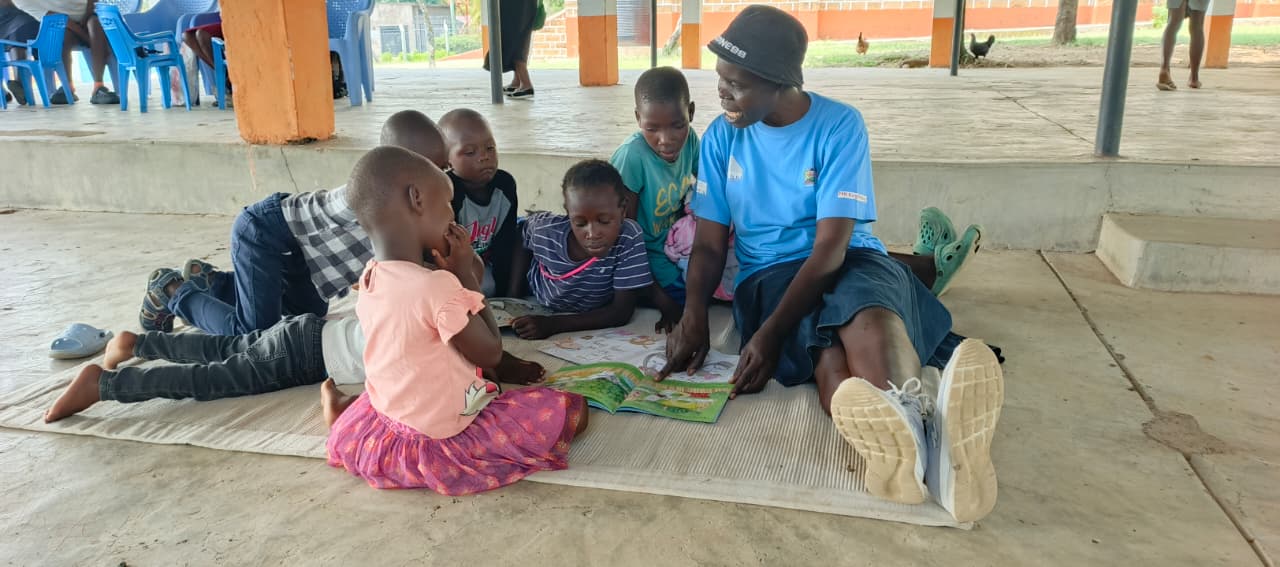
Maternal, Child Health & Early Childhood Development (MCH & ECD)
Goal: Ensure every mother, child, and caregiver thrives from pregnancy through early childhood. Therefore we implement comprehensive care for mothers, children, and early development programs.
- Nurturing Care implementation
- Antenatal, postnatal & newborn health
- Growth monitoring & developmental screening
- Early stimulation & responsive caregiving
- Community-based nutrition programs
- Child protection and safeguarding
- Early Identification & Referral
- Inclusive ECD Models
- Maternal Health & Disability Prevention
Positioning: Ensuring every mother and child including children with developmental vulnerabilities and disabilities thrives from pregnancy through early childhood.
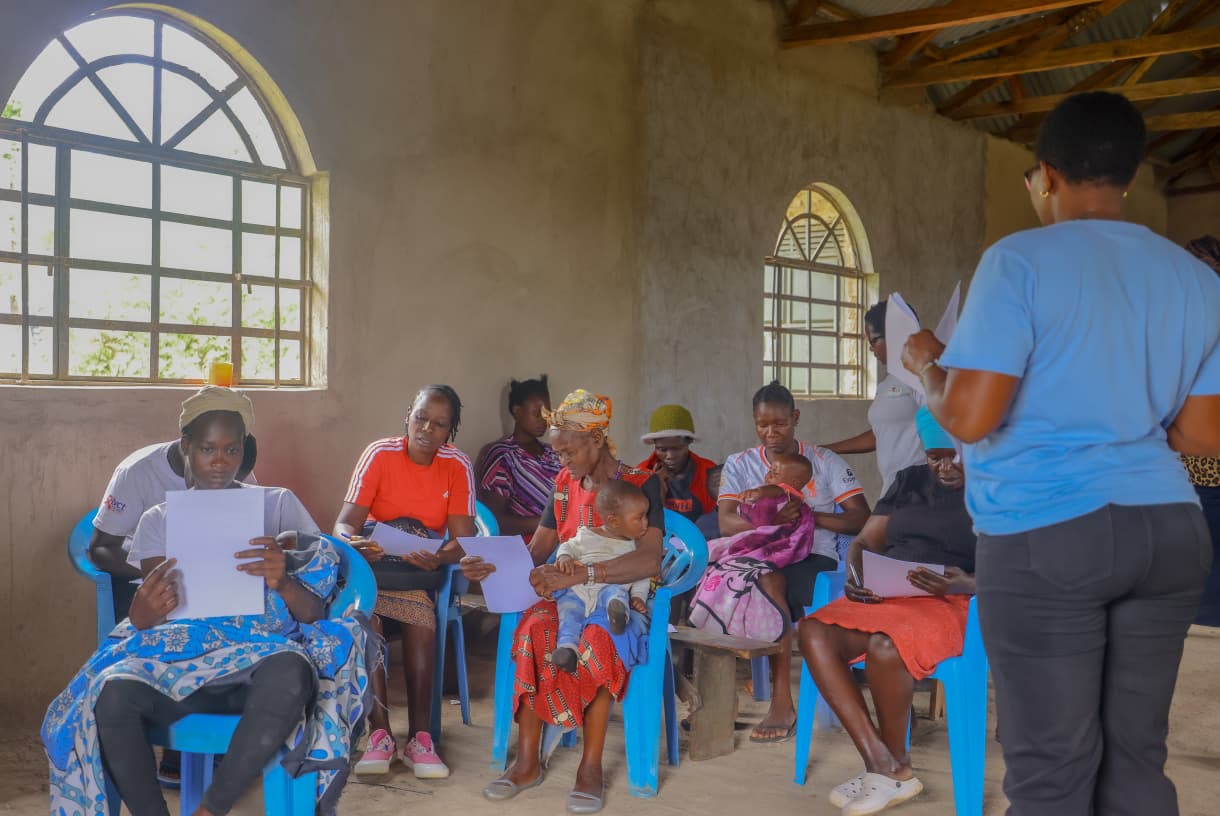
Adolescent & Young People Empowerment (AYP)
Goal: Empower adolescents and youth to make informed, healthy, and economically secure life choices.
- SRHR education & service linkage
- HIV prevention & adherence support
- GBV prevention & response
- Teenage pregnancy prevention
- Safe spaces & mentorship models
- Life skills & leadership development
- Inclusive SRHR Programming
- Safe Spaces for Adolescents with Disabilities
- Economic Empowerment Pathways
Positioning: Reducing vulnerability among all adolescents through integrated health, protection, and opportunity pathways including those facing layered risks including disability.
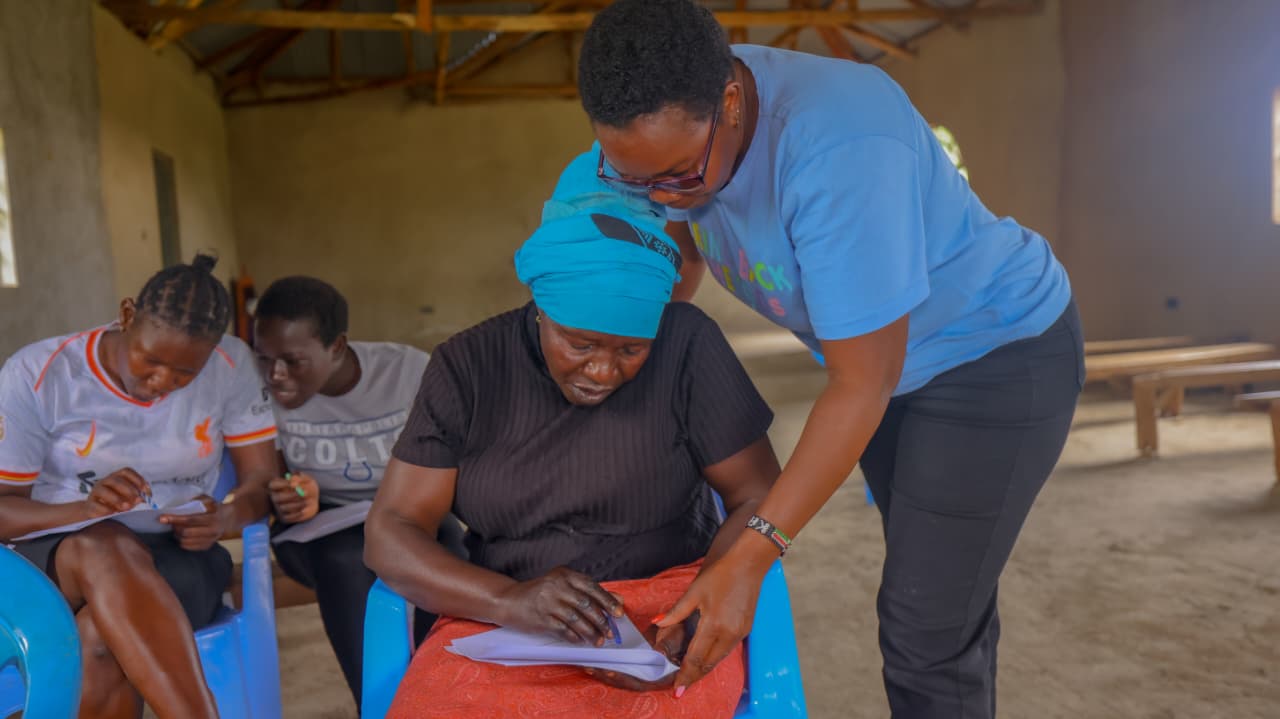
Community Health Systems Strengthening
Goal: Build resilient, accountable, and data-driven community health systems for coordination, and resilience of community-level health structures.
- CHV capacity building
- Community health governance structures
- Data dashboards & decision support
- Pathways segmentation models
- Social accountability & community dialogues
- Referral systems strengthening
- Inclusive Data Systems
- Inclusive Referral Systems
- Community Dialogue & Social Norms
Positioning: Strong community systems which ensure no child or person with disability is left behind are the engine of sustainable health outcomes.
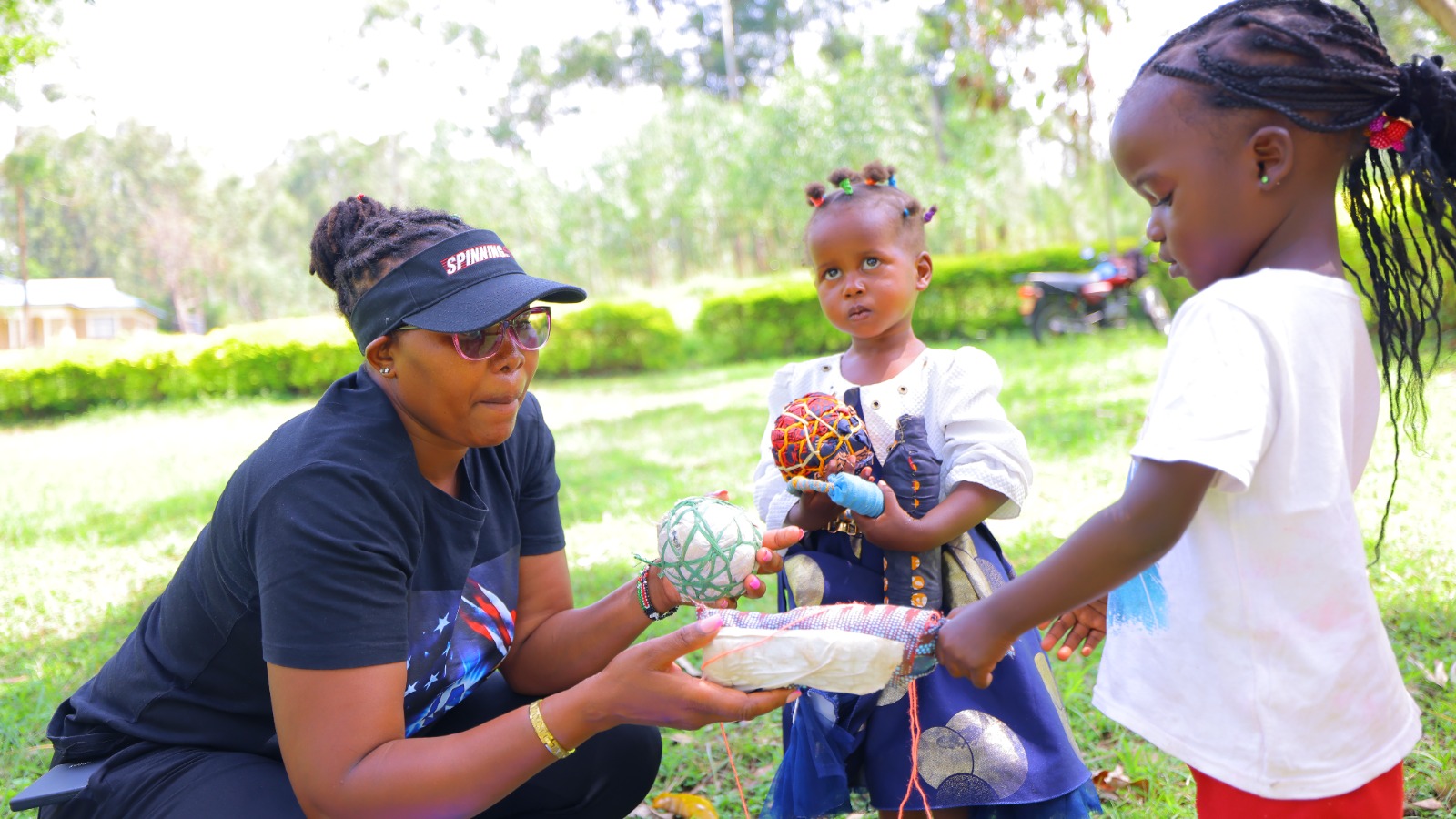
Economic & Livelihood Resilience (Health-Linked)
Goal: Strengthen household economic stability to improve health and protection outcomes.
- AGYW and adolescent mother economic empowerment
- Household resilience for OVC caregivers
- Climate-resilient livelihoods
- Blue Economy value-chain integration (where geographically relevant)
- Savings groups & financial literacy
- Nutrition-linked income activities
- Caregiver Economic Strengthening
- PWD Economic Empowerment
- Nutrition-Linked Income for Vulnerable Households
Positioning: Livelihood interventions are implemented as enablers of health outcomes, not as standalone economic programs, including for households caring for children with disabilities, adolescent mothers with disabilities, and youth with disabilities.
Cross-Cutting Commitments
Foundational systems that support all program areas.
- Gender Equity & Social Inclusion including disability inclusion
- Safeguarding & Child Protection
- Climate & Environmental Responsibility
- Governance & Accountability
- Monitoring, Evaluation & Learning (MEL)
- Innovation & Digital Systems
Our Programs in Action
See how CAFHED's strategic pillars create real impact in communities
Thrive by 5
Thrive by 5 Works in Rachuonyo East
Our Integration Approaches
What distinguishes CAFHED–Kenya's Empower360 framework is its life-course vulnerability segmentation approach, operationalized through the LISTEN model and Human-Centered Design.
Rather than layering vertical interventions, CAFHED engineers coordinated household-level pathways that integrate maternal and child health, adolescent protection, SRHR, and economic resilience into a seamless continuum — anchored in community systems and real-time data intelligence.
Integration by Life-Course Segmentation
CAFHED integrates by segmenting vulnerability across the life course and aligning tailored pathways.
The LISTEN Model
Local Innovations Scaled Through Enterprise Networks - CAFHED's operational backbone
Local Intelligence Mapping
- Participatory vulnerability mapping
- Community-driven risk profiling
- Real-time CHV household data
- Social norms analysis
Integrated Pathway Design
- MCH + SRHR + GBV + Livelihood linkages
- Health + Protection + Economic enablers
- Facility + Household + Safe space connections
Social Accountability Platforms
- Community dialogues
- Male engagement forums
- Adolescent advisory groups
- Mother-to-mother networks
Targeted Service Bundling
- ANC linkage
- GBV screening
- SRHR counselling
- Parenting preparation
- Economic strengthening pathway
Enterprise & Resilience Linkages
Livelihood support prescribed as health outcome enabler
Networked Referral & Data Systems
- Closed-loop referrals
- CHV dashboards
- Real-time follow-up
- Data-driven segmentation adjustments
Human-Centered Design (HCD)
CAFHED applies HCD as the core operating philosophy
Empathy-Led Design
- Listening labs with adolescents
- Caregiver experience mapping
- Journey mapping of teenage pregnancy pathways
- Mapping drop-off points in care
Co-Creation
Interventions tested with adolescent girls, young fathers, CHVs, caregivers, and local leaders
Rapid Prototyping
Small pilots before scale: safe spaces, parenting curriculum, economic pathways, referral systems
Iterative Adaptation
Data and community feedback refine implementation quarterly
Systems Integration
Household Level
One CHV, one plan, one coordinated pathway per household
Community Level
Safe spaces, mother groups, male forums and savings groups interlinked
Facility Level
Health facilities connected to GBV services, nutrition support, economic referrals, CHV follow-up
Data Level
Unified monitoring dashboard across pillars
Prevention-to-Resilience Continuum
Community-Embedded Delivery Model
CAFHED anchors delivery through CHVs and local structures
Why This Differentiates CAFHED
Integrates across pillars using vulnerability segmentation, not thematic bundling
Links economic empowerment directly to health outcomes
Operationalizes real-time data segmentation at community level
Embeds co-creation through Human-Centered Design
Delivers bundled services through one coordinated architecture
Builds community enterprise networks rather than parallel NGO systems
